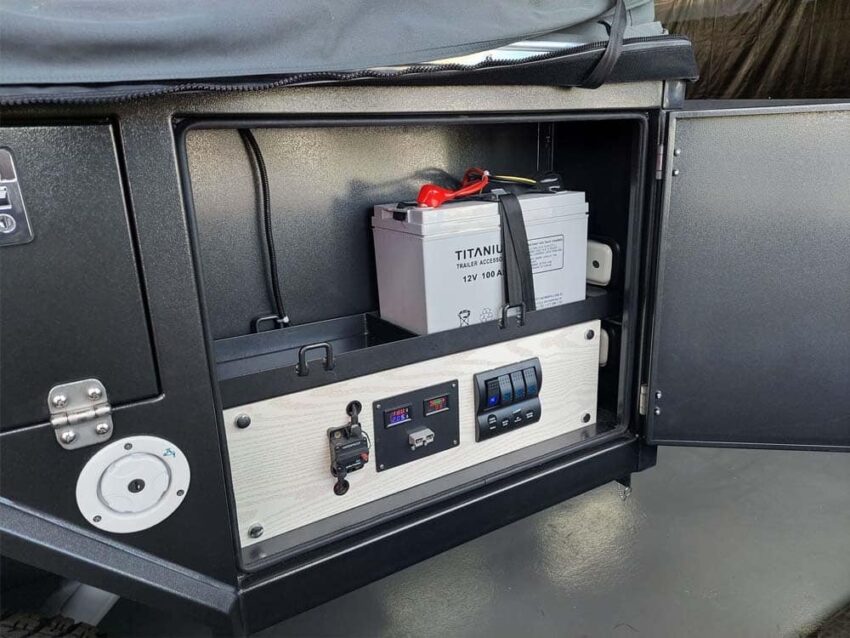
A trailer battery box is an essential component for providing power to the electrical systems of a trailer. It houses and protects the battery, ensuring its secure operation and longevity. Made from durable materials like plastic or metal, the battery box safeguards the battery from external elements, prevents accidental contact with terminals, and minimizes the risk of damage during transit.
Trailer battery boxes play a crucial role in maintaining the functionality of various trailer systems, including lighting, brakes, and even powering appliances. They are designed to withstand the rigors of outdoor use, ensuring reliable performance in diverse conditions. Proper installation and maintenance of the battery box are essential to prevent battery damage, electrical hazards, and ensure the safe and efficient operation of the trailer.
In this article, we will delve deeper into the importance of trailer battery boxes, explore different types available, discuss factors to consider when choosing one, and provide tips for proper installation and maintenance.
1. Protection
Protection is paramount for trailer battery boxes, safeguarding the battery from external elements that could compromise its performance and longevity. These elements include:
- Moisture: Water and moisture can cause corrosion and damage to the battery terminals and internal components, leading to reduced performance and potential failure.
- Dust and Debris: Dust and debris can accumulate on the battery and terminals, causing insulation breakdown and increasing the risk of electrical shorts.
- Impact: Physical impact from rough terrain or accidental bumps can damage the battery casing and internal components, potentially causing leaks or explosions.
A well-designed trailer battery box provides effective protection against these elements, ensuring the battery remains safe and operational. It acts as a barrier, preventing moisture, dust, and debris from reaching the battery, and its sturdy construction withstands impact and vibrations.
The importance of protection cannot be overstated. A damaged battery can lead to electrical hazards, reduced trailer functionality, and costly repairs. Investing in a durable and protective trailer battery box is crucial for maintaining the integrity of the battery and ensuring the reliable operation of the trailer’s electrical systems.
2. Durability
Durability is a critical aspect of trailer battery boxes, ensuring they withstand the rigors of outdoor use and protect the battery from damage. The durability of a battery box is determined by the materials used in its construction and its design.
Durable trailer battery boxes are typically made from robust materials such as high-impact plastic or metal. These materials can withstand exposure to extreme temperatures, vibrations, and physical impact, ensuring the battery remains protected. Additionally, durable battery boxes feature sturdy construction, with reinforced corners and secure latches, to prevent damage from rough handling or accidental drops.
The importance of durability cannot be overstated. A durable battery box safeguards the battery from damage, preventing electrical hazards, costly repairs, and unexpected breakdowns. It ensures the battery remains operational in diverse conditions, providing reliable power to the trailer’s electrical systems.
Recommended reading : The Ultimate Trailer Storage Box Guide: Protect Your Valuables
When choosing a trailer battery box, durability should be a top priority. Investing in a durable battery box not only protects the battery but also ensures the safety and reliability of the trailer’s electrical systems.
3. Capacity
The capacity of a trailer battery box refers to its ability to accommodate a battery of a specific size and power output. The capacity of the battery box is determined by its internal dimensions and design, and it plays a crucial role in ensuring the reliable operation of the trailer’s electrical systems.
When choosing a trailer battery box, it is essential to consider the capacity requirements of the battery that will be used. A battery box with insufficient capacity may not be able to accommodate the battery securely, leading to movement and potential damage during transit. Conversely, a battery box with excessive capacity may result in wasted space and increased weight.
The capacity of a trailer battery box is particularly important for applications where the trailer will be used for extended periods or in remote locations. In such cases, a battery with a higher capacity will be required to provide sufficient power to operate the trailer’s electrical systems for longer durations. Additionally, a battery box with adequate capacity will allow for the installation of additional batteries if needed, providing redundancy and increased peace of mind.
In summary, the capacity of a trailer battery box is a critical factor to consider when selecting the right battery box for your specific needs. Matching the capacity of the battery box to the requirements of the battery ensures secure installation, reliable operation, and the ability to meet the electrical demands of the trailer.
4. Ventilation
Ventilation plays a critical role in the proper functioning and longevity of a trailer battery box. It ensures that heat generated by the battery during charging and discharging can be effectively dissipated, preventing overheating and potential damage to the battery and its components.
- Heat Dissipation: Batteries generate heat as a byproduct of chemical reactions during charging and discharging. Proper ventilation allows this heat to escape, preventing the battery from overheating, which can lead to reduced performance, shortened lifespan, and even safety hazards.
- Gas Release: Batteries release gases during charging, especially when overcharged or nearing the end of their lifespan. Ventilation allows these gases to escape safely, preventing pressure buildup inside the battery box and potential explosions.
- Moisture Control: Ventilation helps prevent moisture accumulation inside the battery box. Moisture can cause corrosion of battery terminals and other components, leading to reduced performance and increased risk of electrical faults.
- Extended Battery Life: Proper ventilation contributes to the longevity of the battery by preventing overheating and other factors that can degrade its performance. A well-ventilated battery box helps maintain optimal operating conditions for the battery, extending its lifespan and reliability.
In summary, ventilation is a crucial aspect of trailer battery box design and maintenance. It ensures the safe and efficient operation of the battery by dissipating heat, releasing gases, controlling moisture, and prolonging battery life.
5. Accessibility
Accessibility plays a vital role in the usability and maintenance of trailer battery boxes. It refers to the ease with which the battery can be accessed for inspection, maintenance, or replacement.
- Ease of Inspection: Accessible battery boxes allow for convenient inspection of the battery’s condition, including electrolyte levels, terminal connections, and overall health. Regular inspection is crucial for early detection of any issues, preventive maintenance, and ensuring optimal performance.
- Simplified Maintenance: Accessibility is essential for routine maintenance tasks such as cleaning the battery terminals, applying anti-corrosion agents, and checking cable connections. Easy access to the battery facilitates these maintenance procedures, ensuring the battery’s longevity and reliability.
- Hassle-free Replacement: When the need arises to replace the battery, an accessible battery box makes the process smoother and less time-consuming. Quick and easy access to the battery allows for efficient replacement, minimizing downtime and ensuring the trailer’s electrical systems remain operational.
- Safety Considerations: Accessibility is also important for safety reasons. In of electrical faults or emergencies, quick access to the battery allows for prompt disconnection, reducing the risk of further damage or injury.
In summary, accessibility is a key aspect of trailer battery box design and installation. It enhances usability, simplifies maintenance, and contributes to the overall safety and reliability of the trailer’s electrical systems.
Frequently Asked Questions about Trailer Battery Boxes
This section addresses common questions and misconceptions surrounding trailer battery boxes, providing informative answers to enhance understanding and ensure proper use and maintenance.
Question 1: Why is proper ventilation crucial for trailer battery boxes?
Recommended reading : Exquisite Window Valance Boxes: The Perfect Finishing Touch
Answer: Ventilation is essential to dissipate heat generated by the battery during charging and discharging, preventing overheating. It also allows gases released during charging to escape safely, preventing pressure buildup and potential explosions.
Question 2: What are the consequences of neglecting battery box maintenance?
Answer: Neglecting maintenance can lead to corrosion of terminals, loose connections, and reduced battery life. Regular inspection and cleaning ensure optimal performance and prevent potential electrical hazards.
Question 3: How often should I inspect my trailer battery box?
Answer: Regular inspection is recommended every 3-6 months, or more frequently if the trailer is used extensively or in harsh conditions.
Question 4: Can I use any type of battery in my trailer battery box?
Answer: No, it’s important to choose a battery specifically designed for deep-cycle applications, such as marine or RV batteries, to ensure compatibility and optimal performance.
Question 5: How do I safely disconnect the battery in case of an emergency?
Answer: Always wear protective gear. Locate the battery disconnect switch, usually near the battery box, and turn it to the “off” position. If there is no disconnect switch, use a wrench to loosen and remove the negative terminal.
Question 6: What is the best way to extend the life of my trailer battery?
Answer: Proper maintenance, including regular cleaning, avoiding deep discharges, and using a battery charger to maintain an optimal charge level, can significantly extend battery life.
Recommended reading : Proven Window Flower Box Flowers for Ultimate Curb Appeal
By addressing these common questions, we aim to provide valuable insights and promote informed decision-making regarding trailer battery boxes and their maintenance, ensuring the safe and reliable operation of your trailer’s electrical systems.
For further information and specific recommendations related to your trailer battery box, it is advisable to consult the manufacturer’s guidelines.
Trailer Battery Box
Trailer battery boxes play a critical role in protecting and housing the battery, ensuring the reliable operation of the trailer’s electrical systems. Here are several essential tips to maximize the performance and longevity of your trailer battery box:
Tip 1: Choose the Right Battery Box:
Selecting the appropriate battery box is crucial. Consider the dimensions and capacity of your battery to ensure a snug fit and adequate space for proper ventilation.
Tip 2: Ensure Proper Ventilation:
Ventilation is essential to dissipate heat and gases generated by the battery. Choose a battery box with adequate ventilation slots or vents to prevent overheating and extend battery life.
Tip 3: Secure the Battery:
Secure the battery firmly inside the box using straps or brackets. A loose battery can move around during transit, potentially causing damage to the battery or the box.
Tip 4: Keep the Box Clean:
Regularly clean the battery box to remove dirt, debris, and corrosion. A clean battery box helps prevent electrical faults and ensures optimal performance.
Recommended reading : Discover the Comfort and Style of Premium White Boxer Briefs
Tip 5: Inspect Regularly:
Periodically inspect the battery box for any signs of damage, such as cracks or broken latches. Timely repairs or replacements ensure the continued protection of the battery.
Tip 6: Protect from Extreme Temperatures:
Extreme temperatures can damage the battery and reduce its lifespan. Park the trailer in shaded areas or use a battery blanket to protect the battery box from excessive heat or cold.
Tip 7: Disconnect the Battery During Storage:
For prolonged storage, disconnect the battery from the terminals to prevent parasitic drain and preserve battery life.
Tip 8: Use a Quality Battery Charger:
Invest in a high-quality battery charger to maintain the battery’s charge level and extend its lifespan. Follow the manufacturer’s instructions for proper charging procedures.
By following these tips, you can ensure that your trailer battery box effectively protects and extends the life of your battery, ensuring reliable power for your trailer’s electrical systems.
Remember, proper maintenance and care are essential for maximizing the performance and longevity of your trailer battery box and battery.